

27–51% reduction in mortality
In pediatric care, mortality reduced by 40–51%. In neonatal care, mortality reduced by 27–35% over 12 months in separate studies in Tanzania and Rwanda. Critical illness events were reduced by 26-47%.

GOAL 3 Brochure
A patient monitoring-and-management solution built for health workers in under-resourced settings, shifting care from reactive to proactive.
Swipe / use the arrows below to move between pages →
01 · Contents
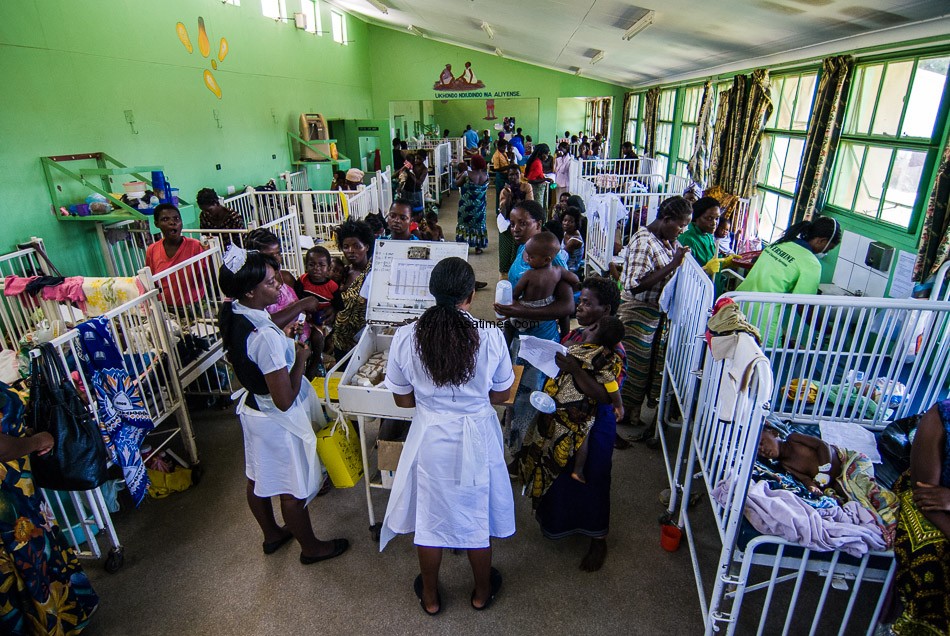
A shortage of qualified staff and adequate equipment keeps low-resource hospitals in a reactive cycle of care
health worker shortfall across Africa
Africa has 1.55 health workers per 1,000 people, 65% below the WHO-recommended benchmark of 4.45.
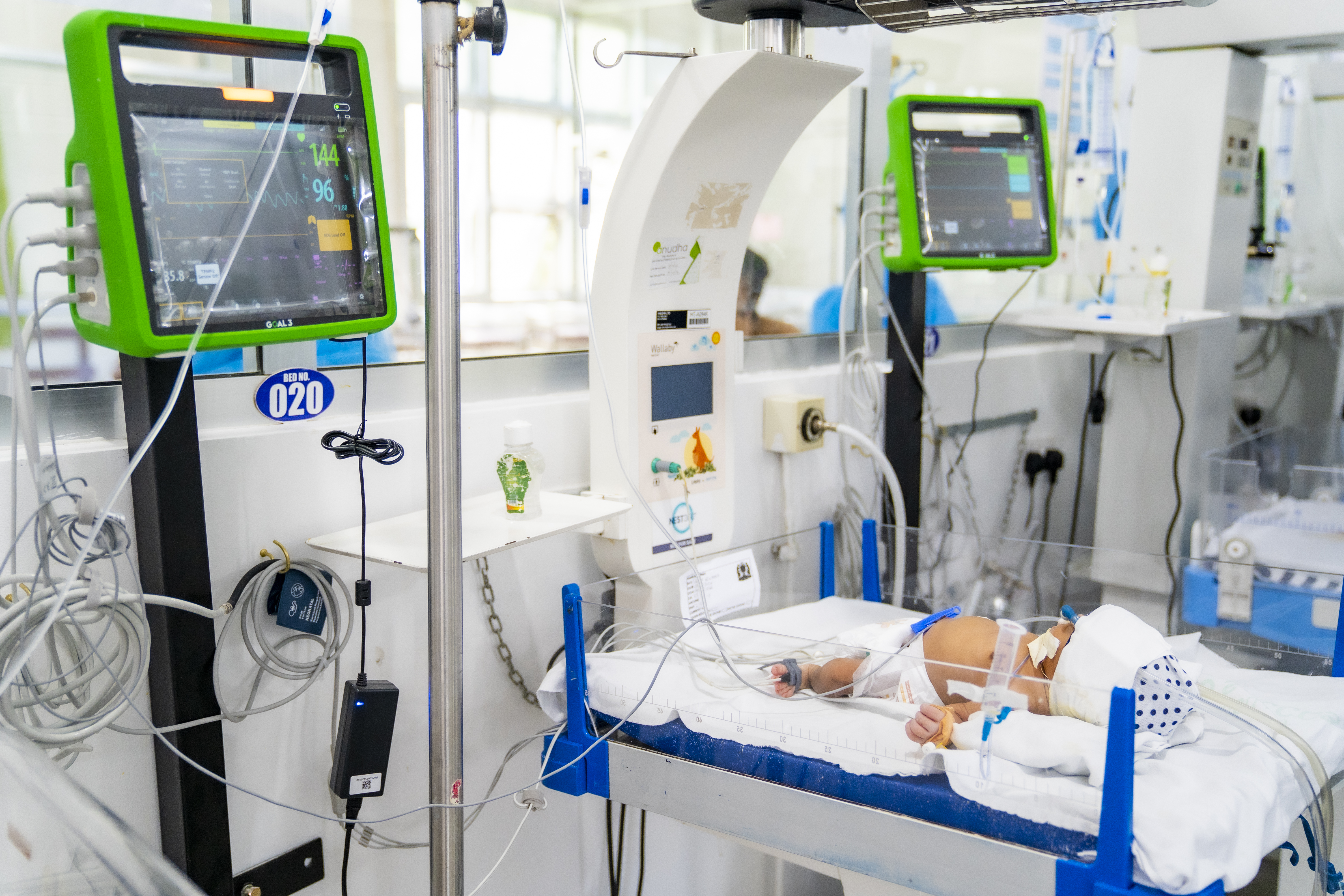
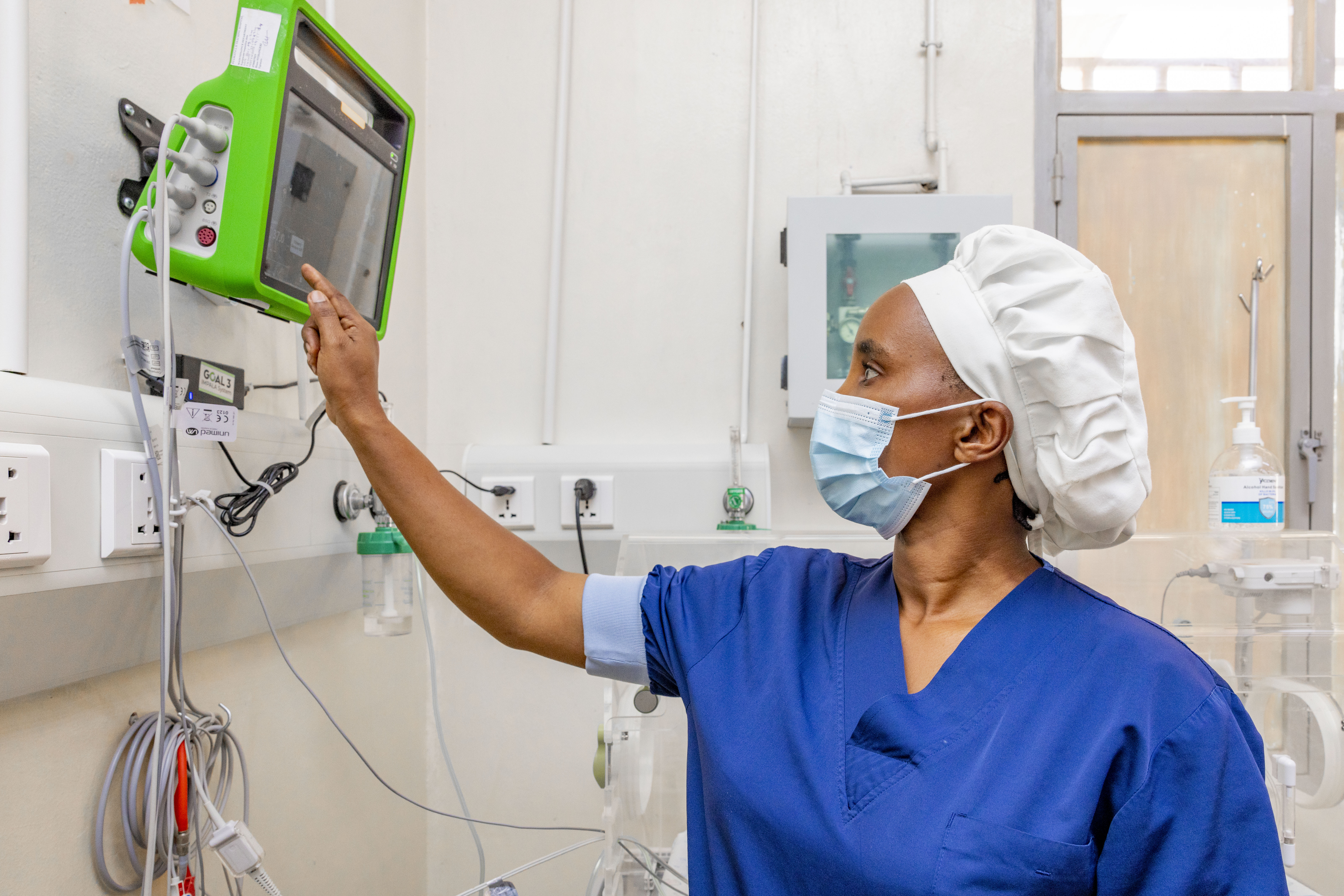
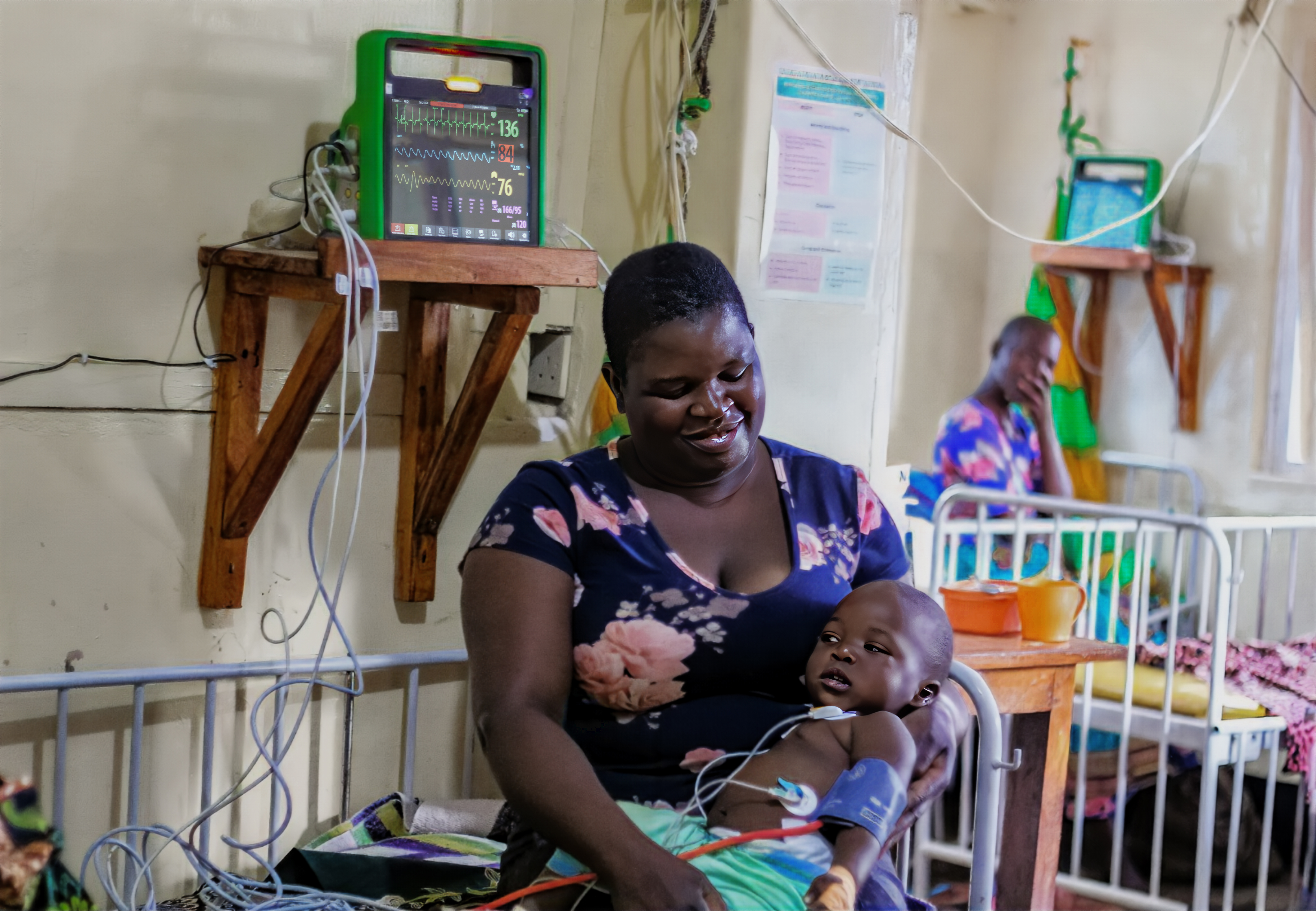
Continuous vital sign patient monitoring that unburdens health workers and transforms patient outcomes.
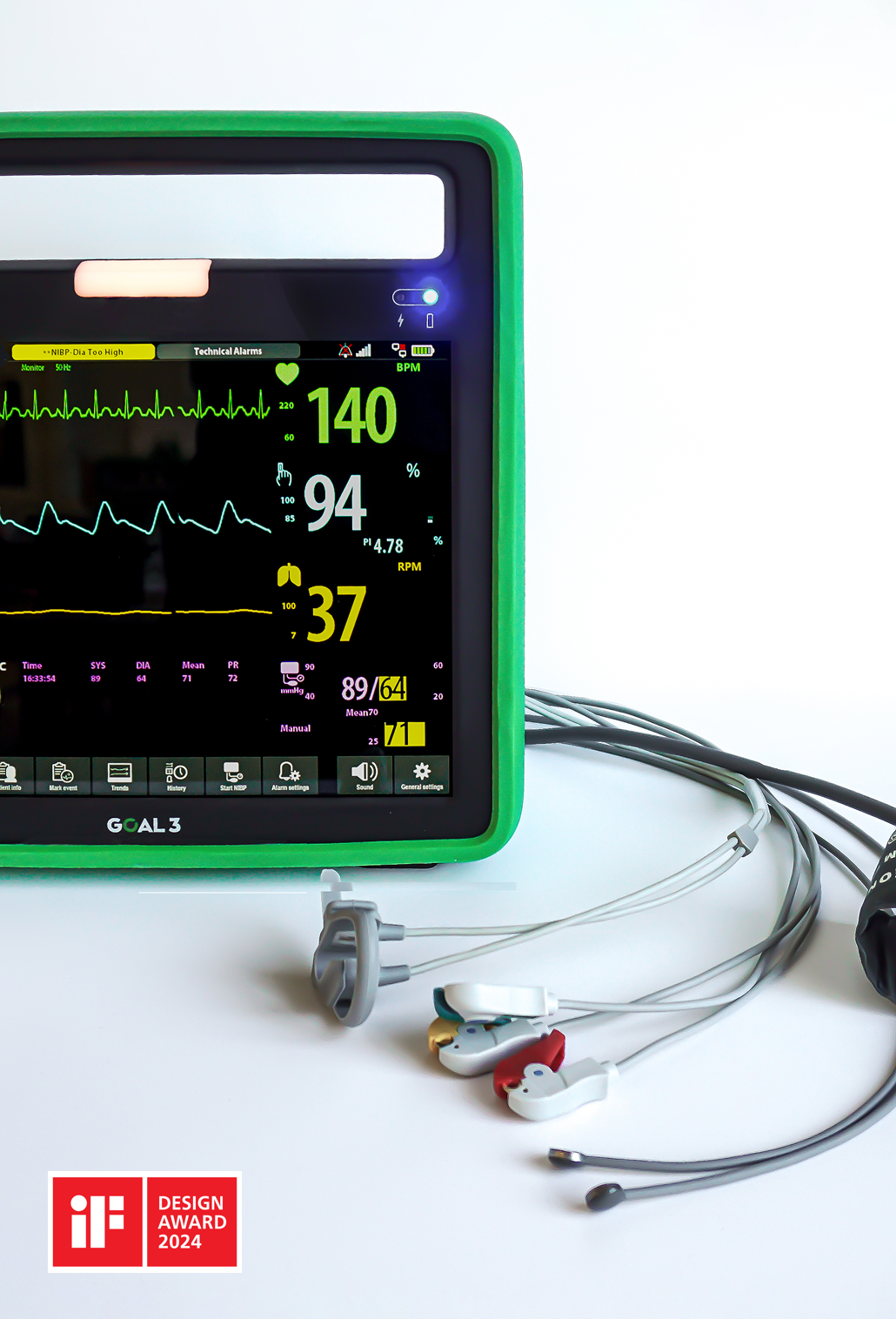
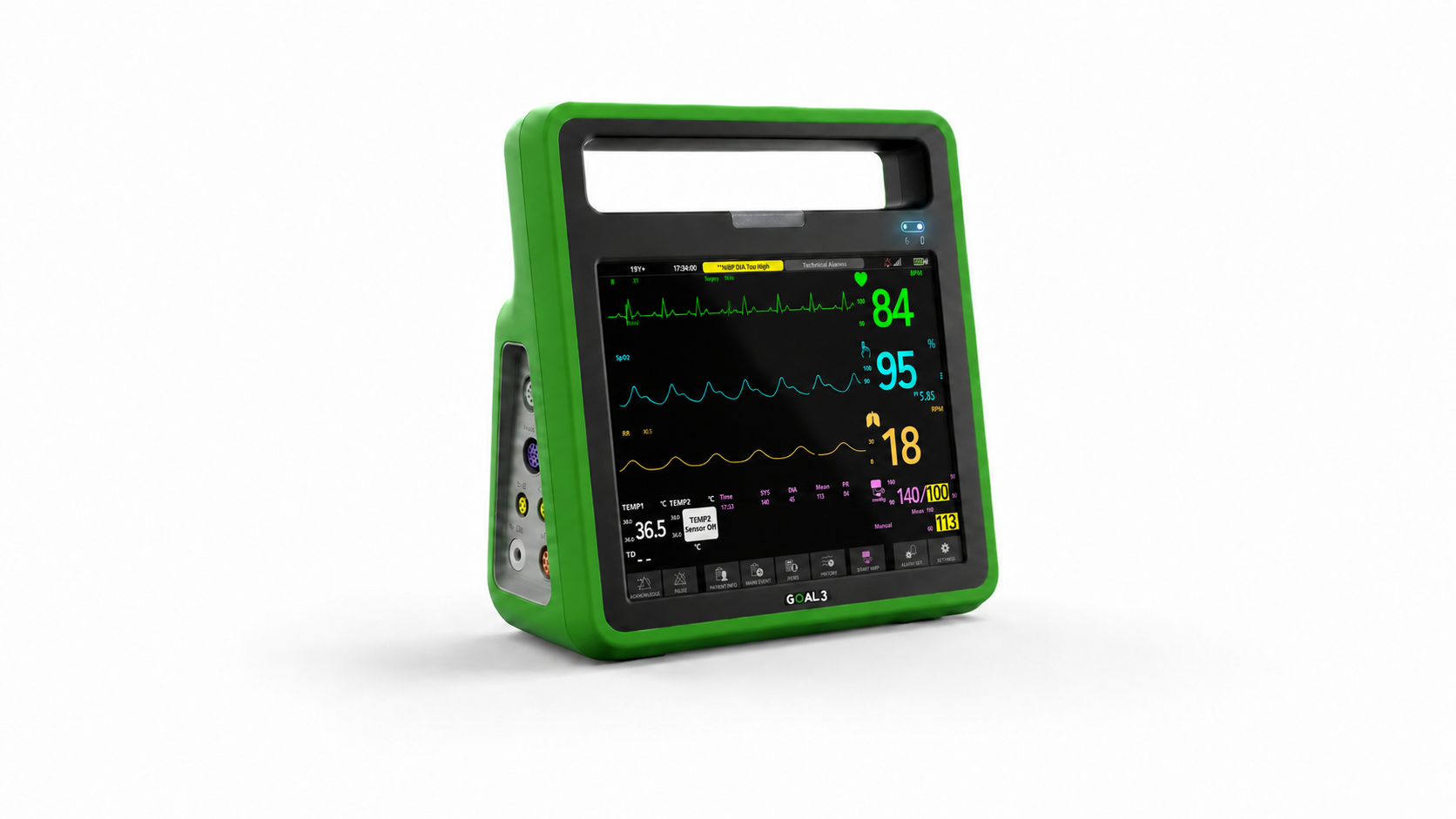
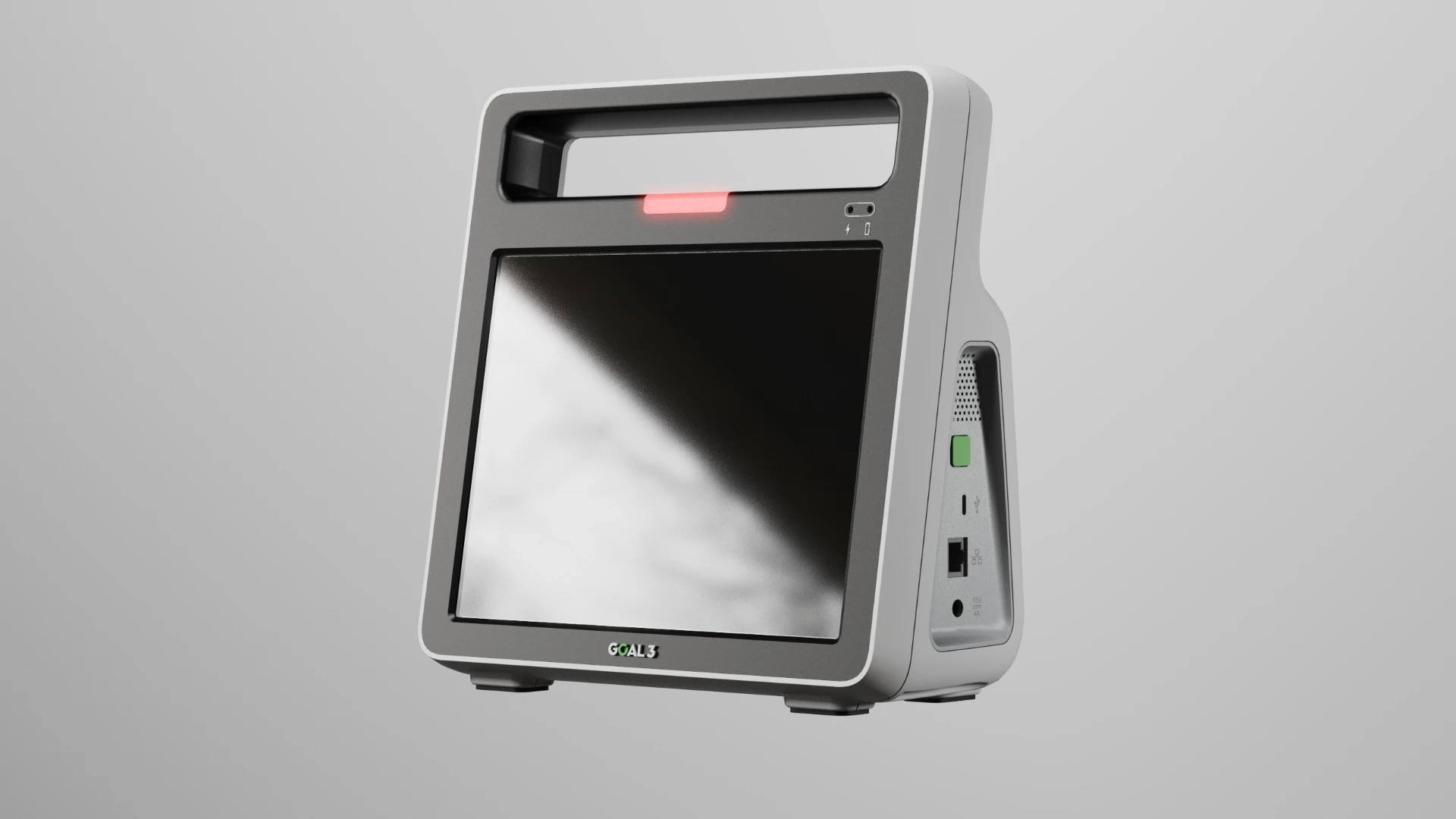
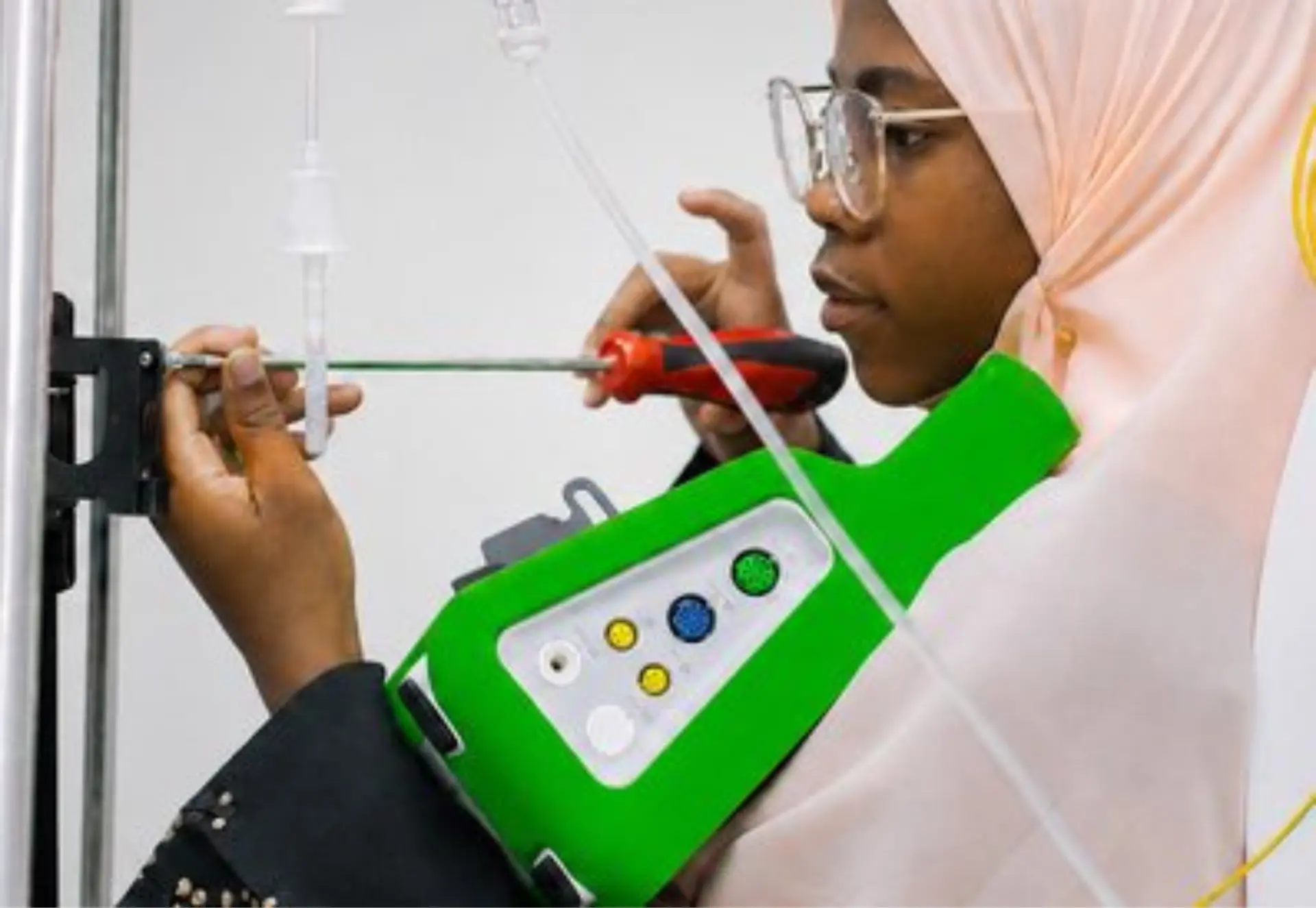
Protects the monitor from impacts and UV damage.
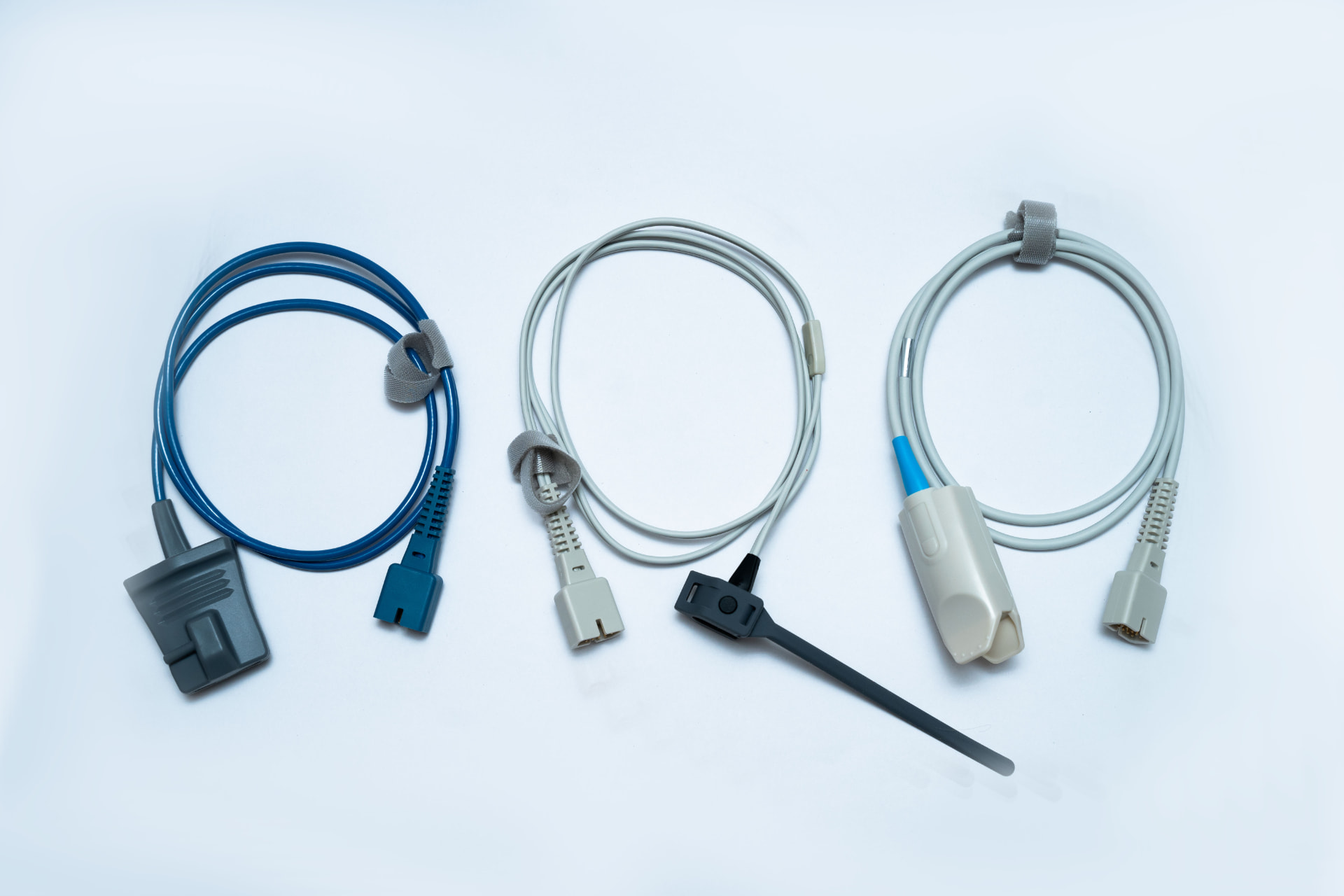
Robust probes, available for every age group from neonate to adult.
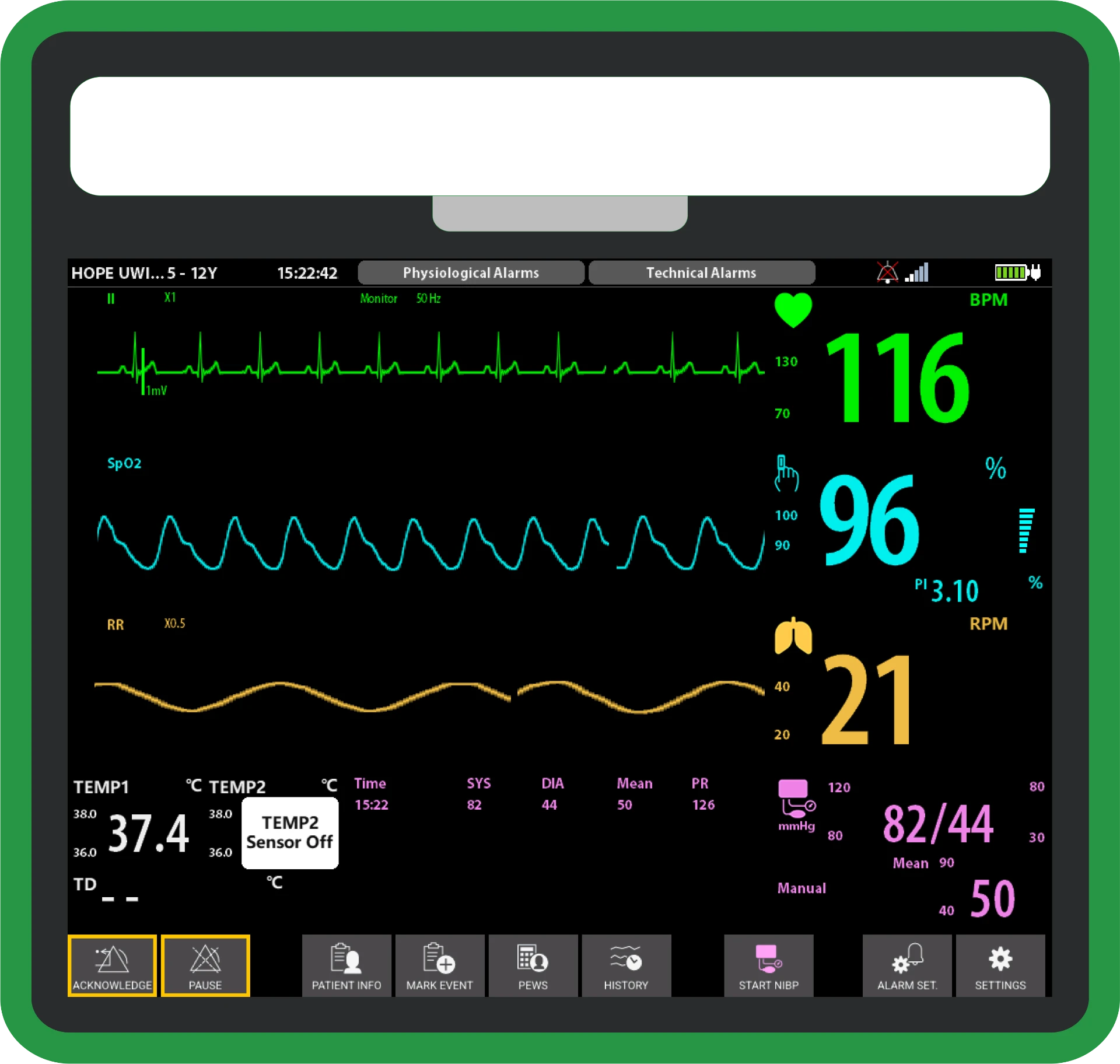
Easy to use interactive screen allowing health workers to easily navigate and understand patient data
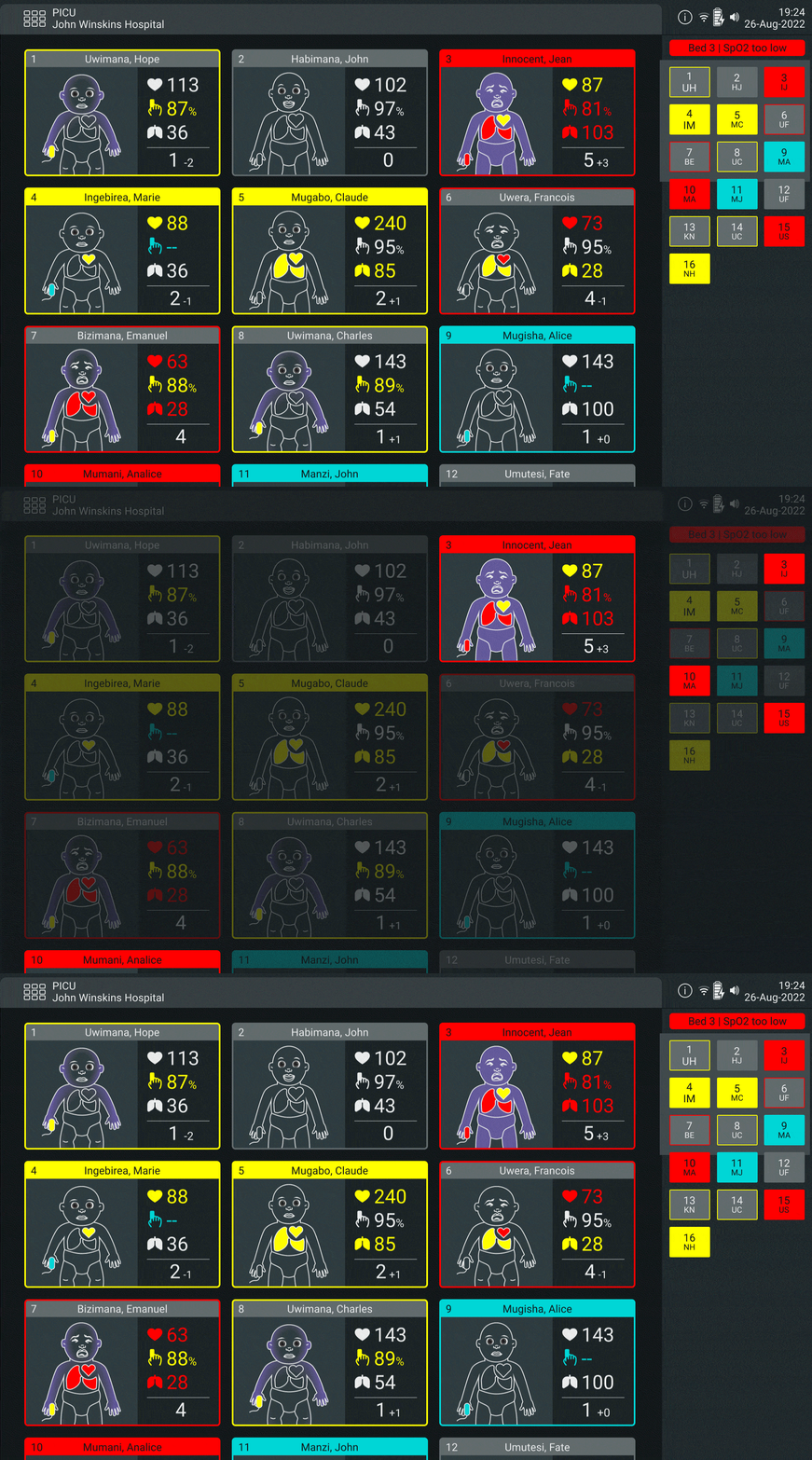
Five paediatric alarm thresholds plus one for adults, up to 54% fewer alarms.
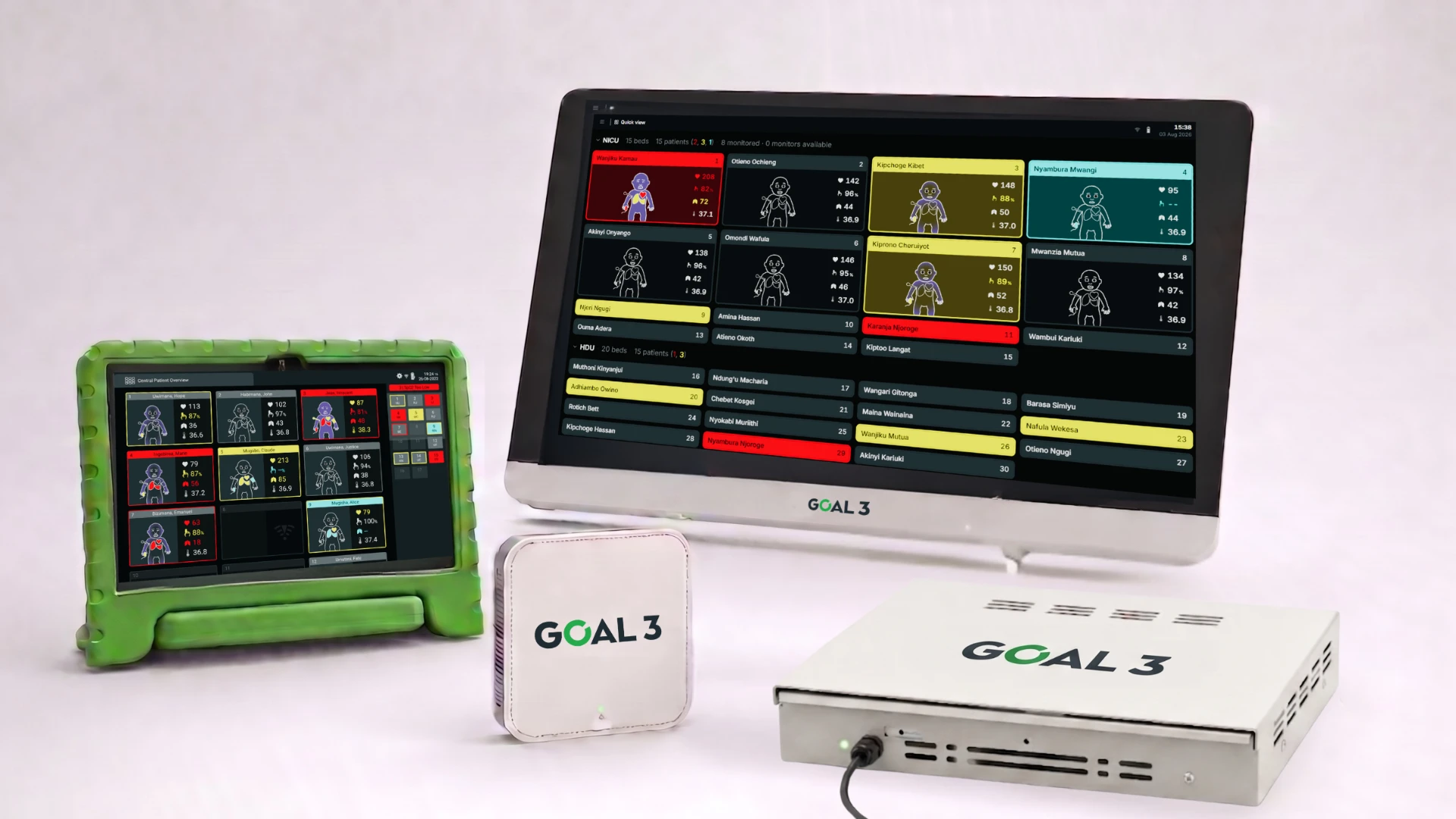
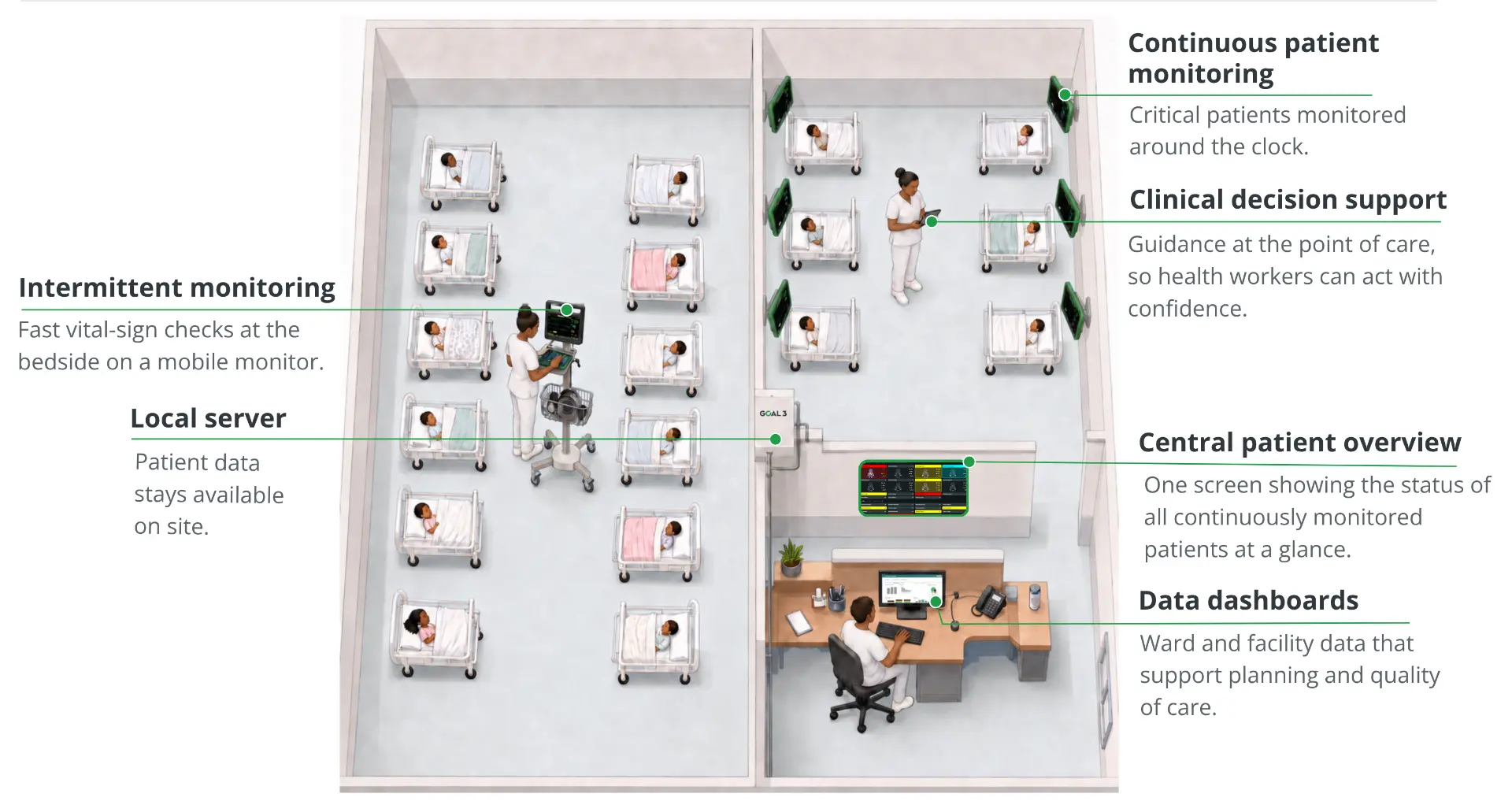
The IMPALA Platform brings together a Central Patient Overview, Clinical Support Application, Data Dashboards*, and local infrastructure to support ward-level care.
*Data Dashboard is expected to be available Q1 2027
Faster Triage: With >90% health workers reporting improved efficiency
Know the full patient story (not just snapshots)
Intermittent Monitoring expected Q1 2027
Improve patient care over time
*Data Dashboard is expected to be available Q1 2027
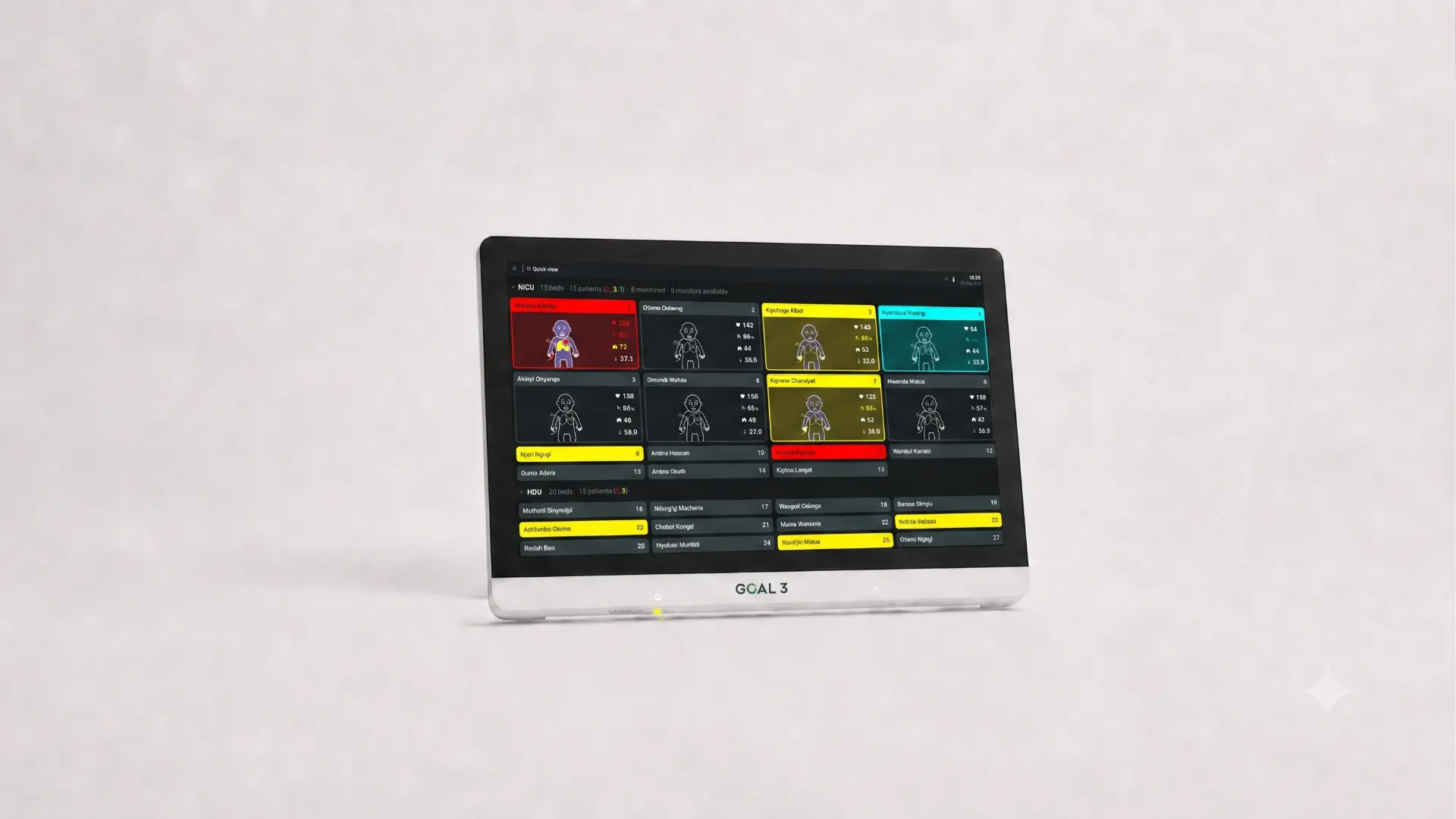
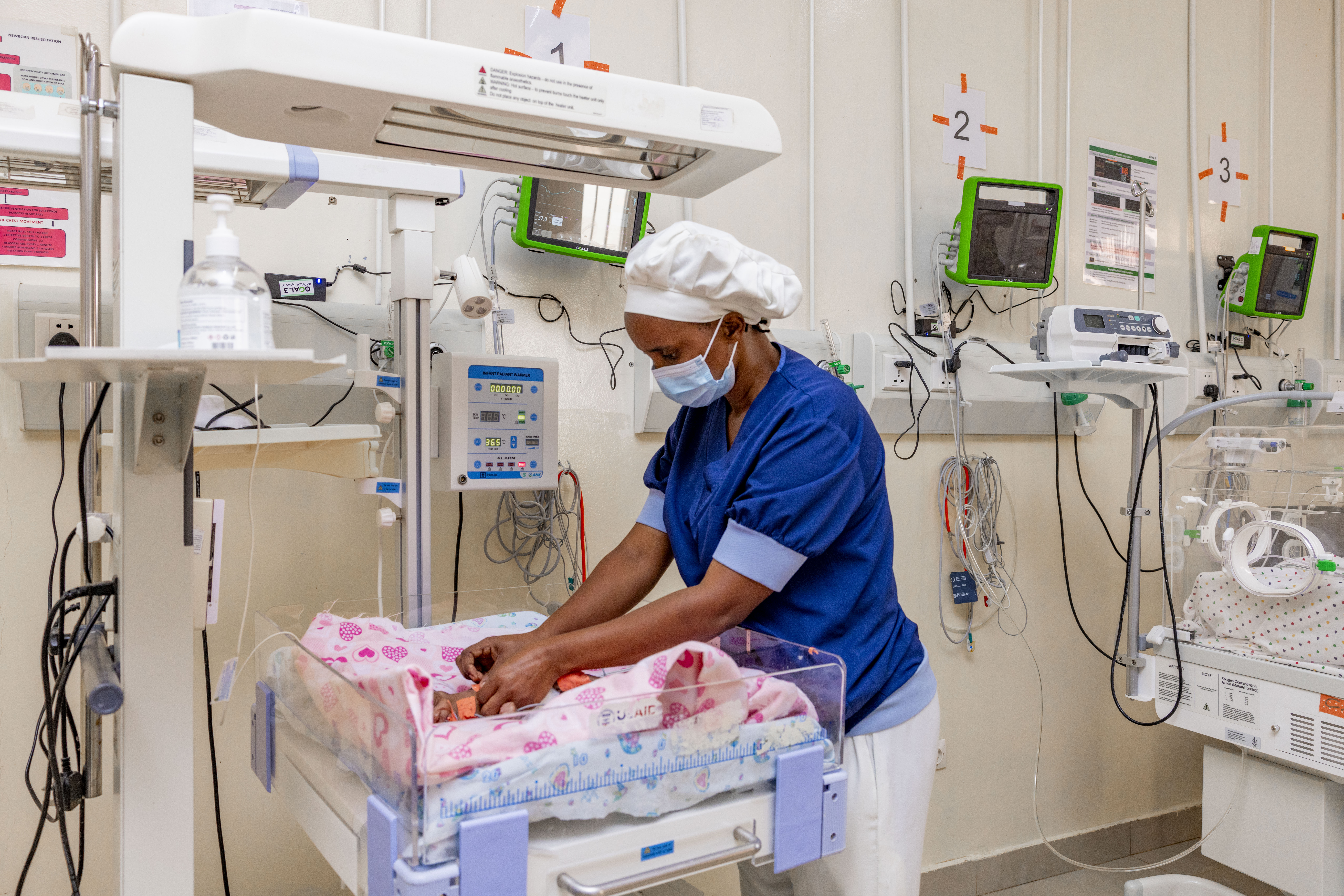
Wall-mounted in the ward, showing the status of every monitored bed.
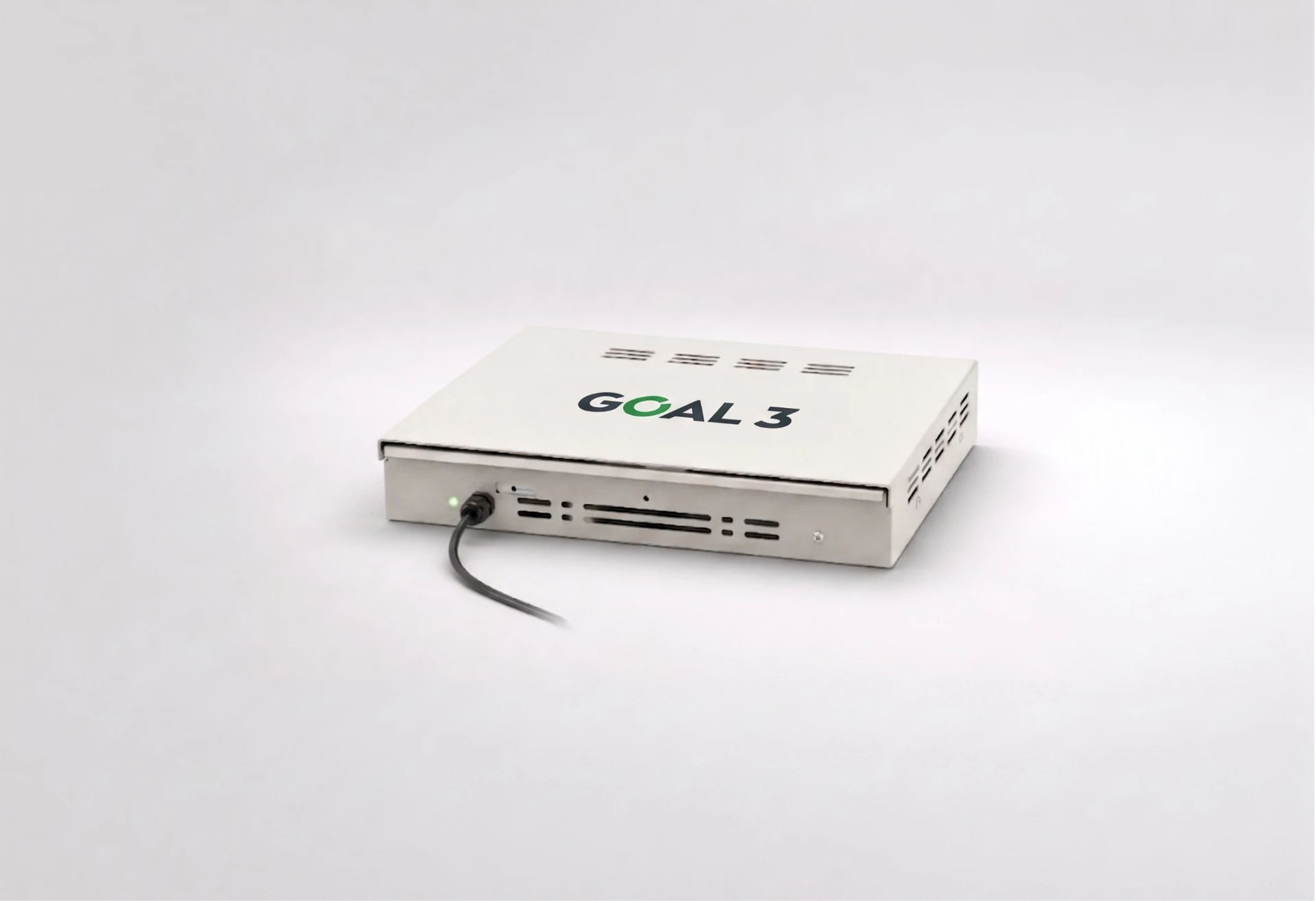
On-premise hub with on-site data storage, 24-hour power backup, a local WiFi network and automated remote updates.
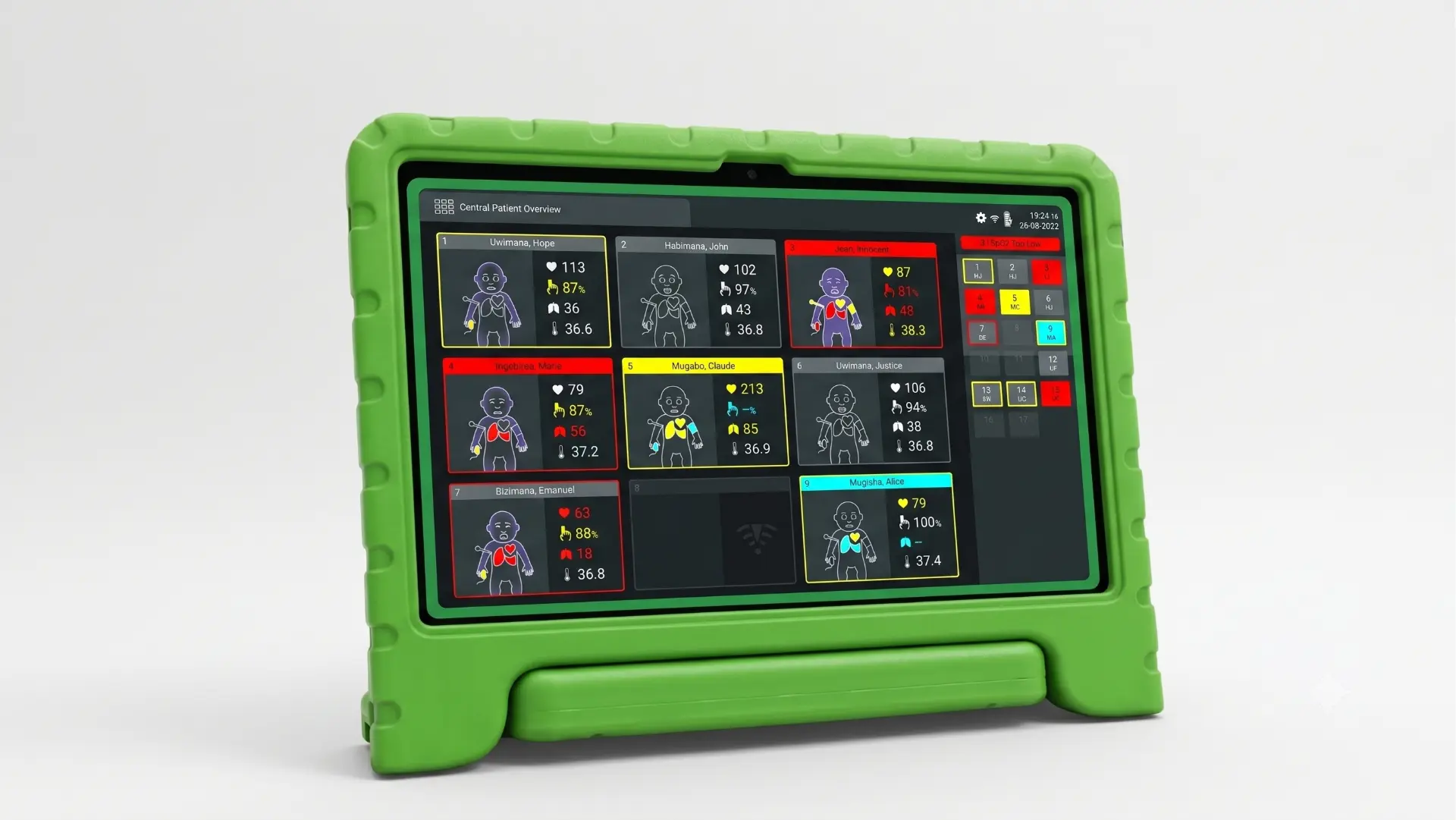
Carried in the ward, bringing the patient overview and clinical support to the bedside.
IMPALA Care is a comprehensive service package that helps hospitals implement, adopt, maintain, and continuously improve the value of IMPALA.
Add-on · $1,500/year — not in standard package
*Supportive supervision & e-learning modules are not yet commercially available.
**MEL is not included in the standard IMPALA Care package, but is available as an add-on at extra cost - $1,500/year.
In pediatric care, mortality reduced by 40–51%. In neonatal care, mortality reduced by 27–35% over 12 months in separate studies in Tanzania and Rwanda. Critical illness events were reduced by 26-47%.
For every $1 spent on IMPALA, $4–16 in health expenditure is avoided. The IMPALA monitoring system costs $2.90 per hospitalized patient, with $10.50 in health expenditure savings and $28.50 in societal savings. IMPALA reduced direct medical, direct non-medical, and indirect costs in two hospitals in Malawi.
Time spent on monitoring reduced from 3.3 to 1.8 hours. 92% of health workers report reduced stress levels. 98% would recommend IMPALA to others.
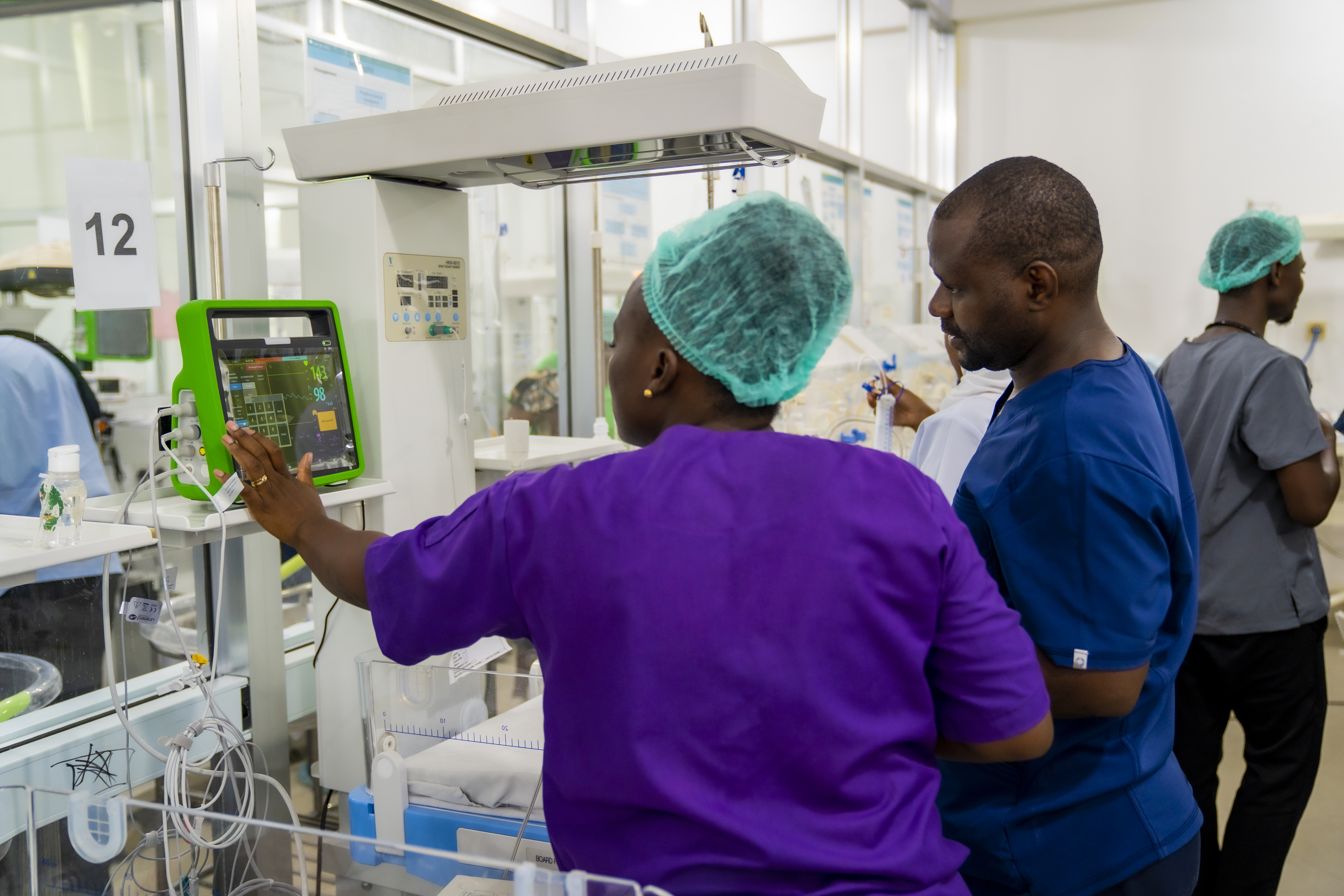
Human stories behind the evidence.
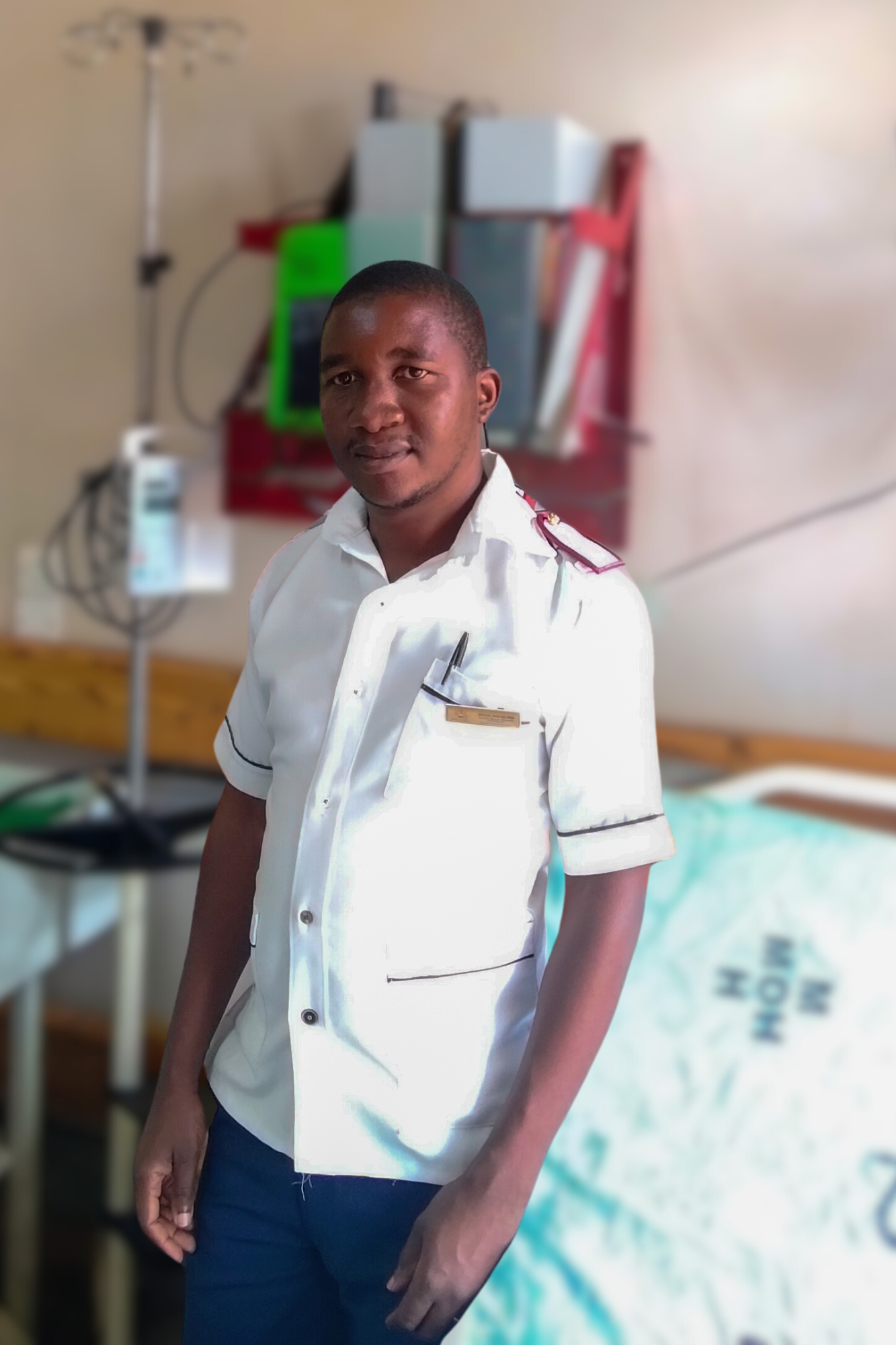
Nurse, Zomba Hospital, Malawi
While on duty in the Pediatric Ward, we received a 3-year-old child presenting with a Blantyre Coma Score of 3/5. The child had been treated for hypoglycemia and was diagnosed with severe malaria. Upon admission, the patient was transferred to the High Dependency Unit (HDU) for continuous monitoring using the IMPALA system.
A few hours later, while seated at the nurses’ station, an emergency alert appeared on the patient overview dashboard, the child’s heart rate was critically high, and oxygen saturation was dropping despite being on oxygen therapy.
We immediately rushed to assess the child. On the monitor, both ECG and SpO₂ waveforms appeared normal, but the Perfusion Index was alarmingly low (0.1). This guided us to assess for shock and anemia. Our assessment confirmed both: the child was in shock and had a hemoglobin level of 5 g/dl.
A quick and life-saving decision was made to initiate blood transfusion. Shortly after transfusion, the heart rate began to stabilize, and oxygen saturation improved significantly. By the next day, the child was fully alert (BCS 5/5), the feeding tube was removed, and the patient was almost ready for discharge, just kept for another 24 hours of observation.
"Thanks to the IMPALA continuous monitoring system, we detected deterioration early and acted immediately, saving a young life that could have been lost without real-time alerts."

Nurse, Queen Elizabeth Central Hospital, Malawi
While on duty in the pediatric ward, Ellen was moving between patients during a typically busy morning shift. Care was ongoing, and the team was managing multiple cases simultaneously.
During this time, an IMPALA alert was triggered. Ellen turned back to review the monitor. The pulse rate of a 2-month-old infant had risen sharply to 310 beats per minute.
Routine activity paused, and attention shifted immediately to the patient. The team gathered at the bedside, initiated assessment, and began urgent interventions. Care was escalated in response to the critical change in vital signs.
"It was that alarm that saved that baby."
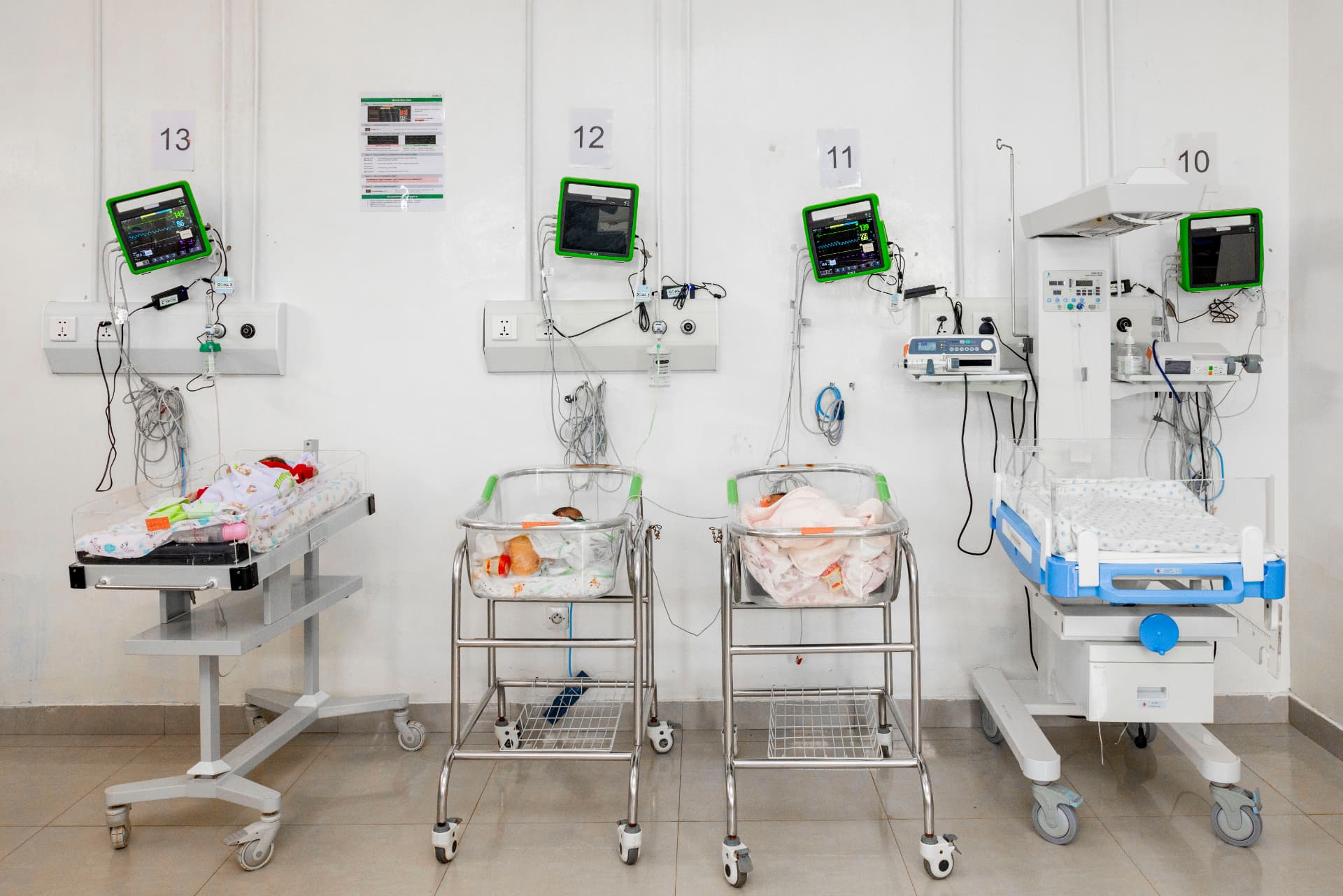
Simple transparent pricing. High quality, low costs.
Based on 10 IMPALA Monitors plus the IMPALA Platform, assuming 2,500 patients admitted per year. These numbers vary by hospital and setting.
One-time equipment costs
$18,850
Recurring fees
$2,000/year
07 · Thank You
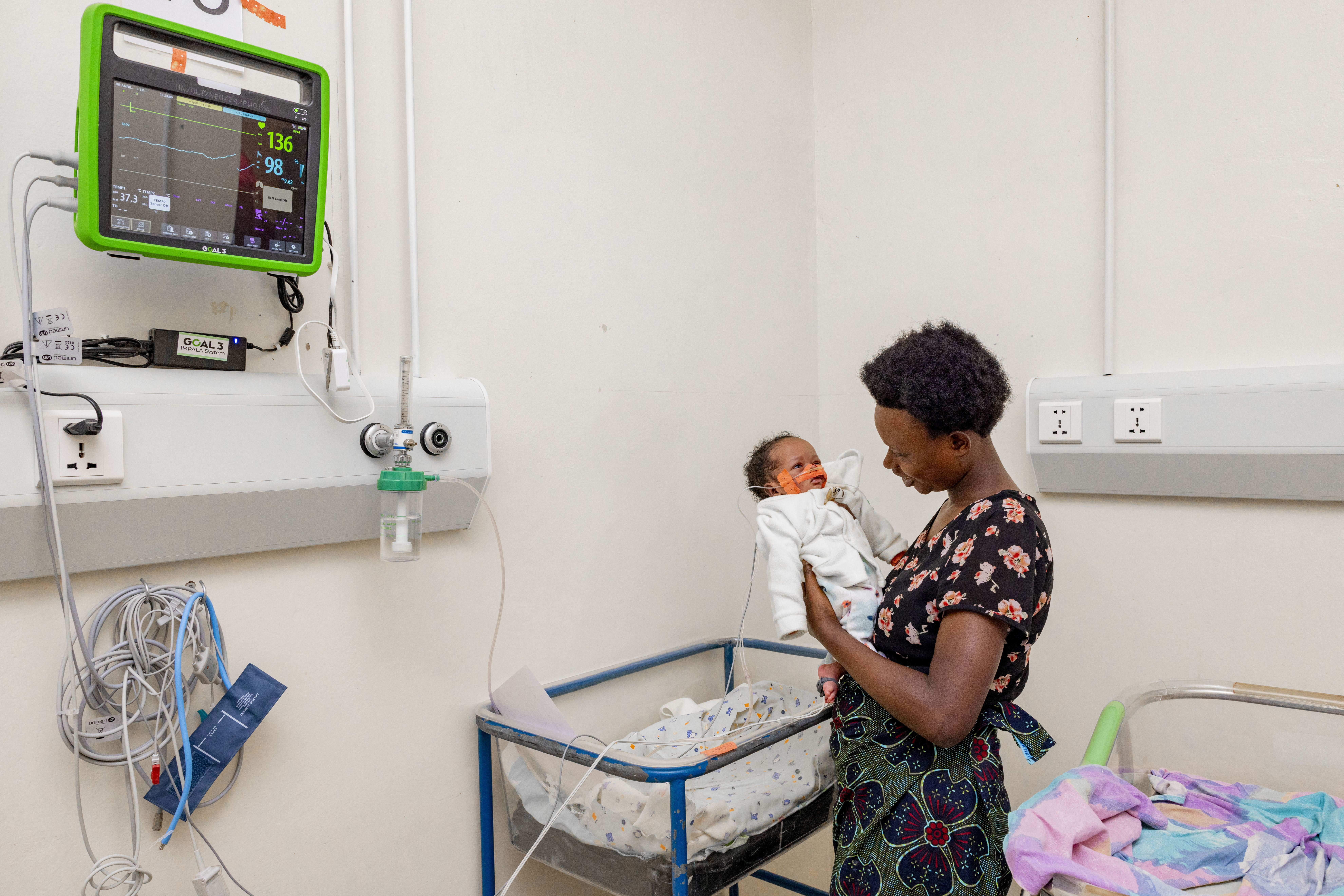
Partner with GOAL 3 to help empower health workers and transform patient outcomes.
About GOAL 3
GOAL 3, named after Sustainable Development Goal 3, is a purpose- driven health tech company founded in 2019. We leverage health-tech innovation and innovative business models to tackle systemic challenges in under-resourced health systems.
Vision
Fair and accessible healthcare for everyone, everywhere
Mission
To enable and empower health workers where it is needed the most
Goal
To improve access to high quality care for 100 million people by 2030